
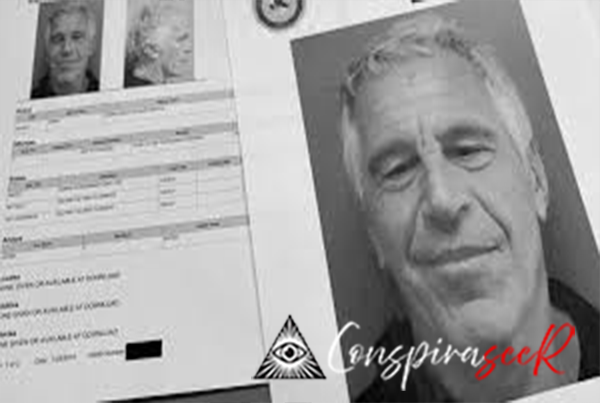
Donald Trump campaigned on a clear promise: drain the swamp, expose the elite pedophile networks tied to Jeffrey Epstein, and release every document, flight log, client list, and piece of blackmail evidence the government had hidden for years. After winning re-election, he signed the Epstein Files Transparency Act into law, setting a firm December 19, 2025 deadline for the Justice Department to make the files public. That deadline came and went. What followed was not a flood of revelations but a trickle—less than 1% of an estimated several million pages released in fragments, poorly organized, heavily redacted, and conspicuously free of any confirmed comprehensive “client list” or direct high-level indictments.
Victims’ advocates expressed immediate outrage, calling the release a betrayal of justice. Bipartisan lawmakers—Rep. Ro Khanna (D), Rep. Thomas Massie (R), and others—publicly demanded court-ordered audits, contempt proceedings against DOJ officials, and an independent review of the redaction process. The blacked-out sections obscure names, financial transactions, intelligence connections, travel details, and contextual information that could link powerful figures to Epstein’s operations. What little was released included salacious but largely unverified or already-public snippets—enough to generate headlines and viral speculation, but not enough to trigger meaningful accountability.
Conspiracy researchers point to several competing (and sometimes overlapping) explanations for the slow-walk. One camp accuses intentional foot-dragging to protect individuals close to Trump or his inner circle—reviving old, never-proven rumors about flight logs, Mar-a-Lago connections, and social overlaps that Trump has repeatedly denied. Another faction flips the script, claiming the files were manipulated or inflated during the prior administration to create political weapons, and that the current DOJ is now stuck managing a poisoned well. A third, more explosive thread ties the redactions to deeper systemic protection: Epstein allegedly operated as an intelligence asset (Mossad, CIA, or joint), running a blackmail honeypot to control politicians, billionaires, scientists, and celebrities. Full disclosure, the theory goes, would expose not just individuals but entire networks of influence, kompromat operations, and perhaps even links to classified programs (some fringe voices connect it to UAP reverse-engineering secrecy, arguing certain elites used Epstein-derived leverage to suppress alien-tech knowledge).
The DOJ’s official line remains consistent: redactions are necessary to protect living victims’ identities, shield ongoing investigations, and comply with privacy laws. Yet critics highlight the lack of transparency in the process—no clear criteria for what gets blacked out, no independent oversight, and thousands of pages still marked “under review” with no new release timeline. The disorganized dumps—scattered PDFs, missing cross-references, duplicate pages—further erode trust, turning what should have been a moment of reckoning into a masterclass in controlled narrative management.
As 2026 midterms loom, the incomplete disclosure risks becoming a political liability. MAGA supporters who expected bombshells feel betrayed; independents see institutional rot; victims’ groups continue to demand unredacted access. The slow-walk has achieved one unintended consequence: it has kept the Epstein saga alive in the public imagination, fueling speculation that the real scandal isn’t what’s in the files—it’s why so little is ever allowed to surface. Epstein didn’t kill himself. And the truth, it seems, isn’t being released because the system—regardless of who sits in the Oval Office—still protects its own at all costs. The shadows around the files grow longer with every delayed page.